
Behind the Scenes: How We Prepare an Aircraft for a Humanitarian Mission
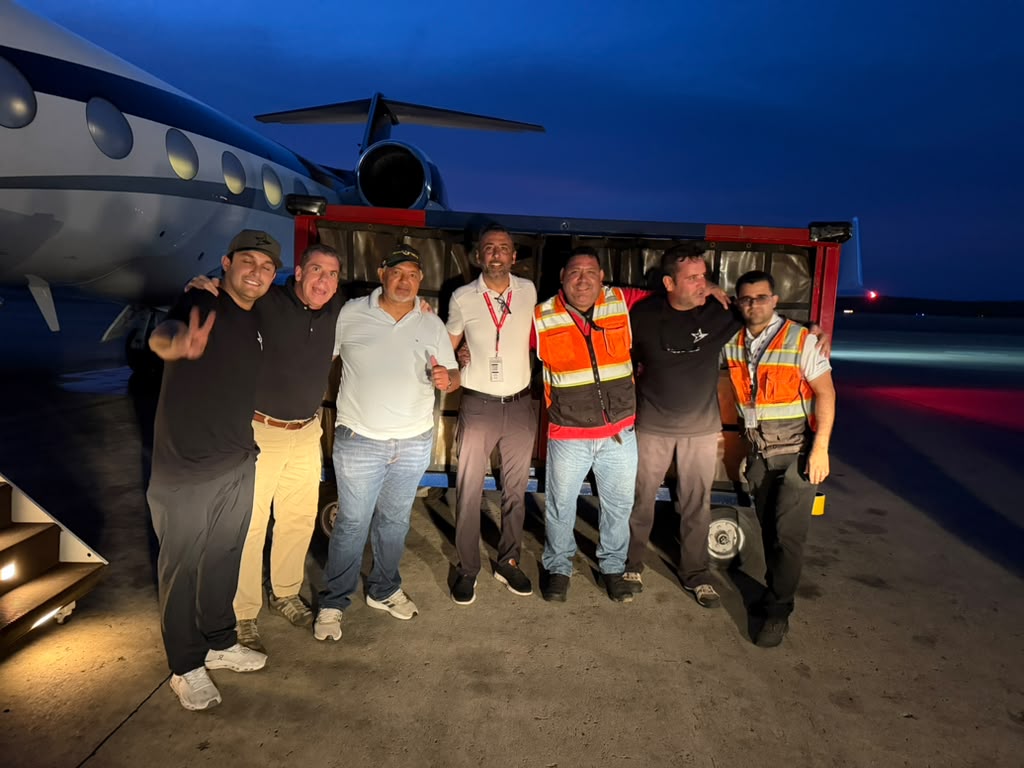
When a natural disaster strikes, time becomes the ultimate enemy. Roads are often destroyed, communication lines go down, and traditional supply chains collapse. In these critical first 72 hours, private aviation isn’t just a luxury—it’s a lifeline.
But before the engines start and a We Can Fly Foundation aircraft takes to the skies, a complex logistical ballet happens on the tarmac. Here is a behind-the-scenes look at exactly how we prepare an aircraft for a rapid-response humanitarian mission.
1. The Weight and Balance Puzzle
Unlike commercial flights where luggage is relatively standard, humanitarian cargo is unpredictable. We transport everything from heavy pallets of bottled water to lightweight but bulky medical tents.
Every single item must be meticulously weighed. In aviation, “weight and balance” is critical for a safe takeoff and landing. Our logistics team plays a high-stakes game of Tetris, ensuring the heaviest items are secured near the aircraft’s center of gravity so the plane flies smoothly and safely
2. Securing the “Cold Chain”
Many of the missions we fly involve transporting vital medications, such as insulin or vaccines, which will spoil if they get too warm.
Preparing the aircraft means setting up specialized medical coolers and monitoring systems. We must guarantee that the “cold chain” remains unbroken from the moment the supplies leave our warehouse until they reach the hands of doctors on the ground.
3. Rapid Route Planning and Clearances
Flying into a disaster zone is not like flying to a vacation destination. Air traffic control towers might be damaged, and airspace can be restricted.
While the cargo is being loaded, our flight operations team is working the phones. They are securing emergency flight permits, analyzing turbulent weather patterns, and calculating the exact amount of fuel needed—always carrying extra, as refueling at the destination is rarely an option during a crisis.
4. The Human Element
Finally, the aircraft is prepped for the most important cargo: our specialized personnel. Whether we are flying in search-and-rescue teams, medical professionals, or logistics experts, the cabin is configured to brief the team mid-flight so they can hit the ground running the second the landing gear touches the runway.
Fueling the Next Mission
Preparing an aircraft for a humanitarian deployment requires precision, expertise, and resources. At the We Can Fly Foundation, we handle the logistics, but we rely on your generosity to fuel the flight.
Every contribution helps us transform a grounded aircraft into a beacon of hope for communities in crisis.
Help us prepare for our next deployment. Click here to make a secure donation today and become part of our mission.